We're the people who got tired of waiting.
Nobody — and we mean nobody — was building this for the people running things. Every AI startup chose the easy half: customer support, sales tooling, developer copilots. The hard half — the systems your business actually runs on — sat untouched, because internal systems are deep, weird, and break in ways generic agents don't understand. So we built one that does.
AI for customer support? Solved twelve times. AI for sales? Drowning in copilots. AI for developers? Practically a religion.
But the branch managers, the inventory leads, the kitchen supervisors, the warehouse foremen, the dispatchers — they're still doing what they did fifteen years ago. Six tabs, three approvals, copy-paste between systems that should be talking. They learn another dashboard every time the company upgrades anything. And every time the company hires someone new, the same training cycle starts over — because the AI tools that flooded the market in the last three years assume the user already knows what they're doing.
Apogee is for them. Not for the people who decide. For the people who run things — and for the new hires who are one stuck-form away from quitting. The category we're claiming is operations AI, and it's the unsexy one. The one that doesn't fit in a chat window. The one that has to live inside the POS, the ERP, the HR system. The one that needs to be audited, bounded, reversible — because operations is where the real money moves. And the one that has to take over when the operator is new, tired, or stuck in traffic for an hour, because performance is what should be graded, not the chair they were supposed to sit in.
What we believe, in four lines.
Operator-honest.
We're blunt about how broken operational software is. We're sympathetic to the people stuck using it. We're quietly confident about the fix. Not corporate. Not aspirational. Specific.
Bounded by design.
Every action APO takes is a proposal. Tier-gated, blast-radius scored, fully reversible. If an autonomous system can't be undone, it shouldn't be autonomous yet.
Grounded in your data.
APO never makes up a number it can't trace back to a row. Every claim cites its source. Operators get the receipts; auditors get the trail.
Performance over presence.
We measure what gets done, not who showed up on time. The observatory grades work, not chairs.
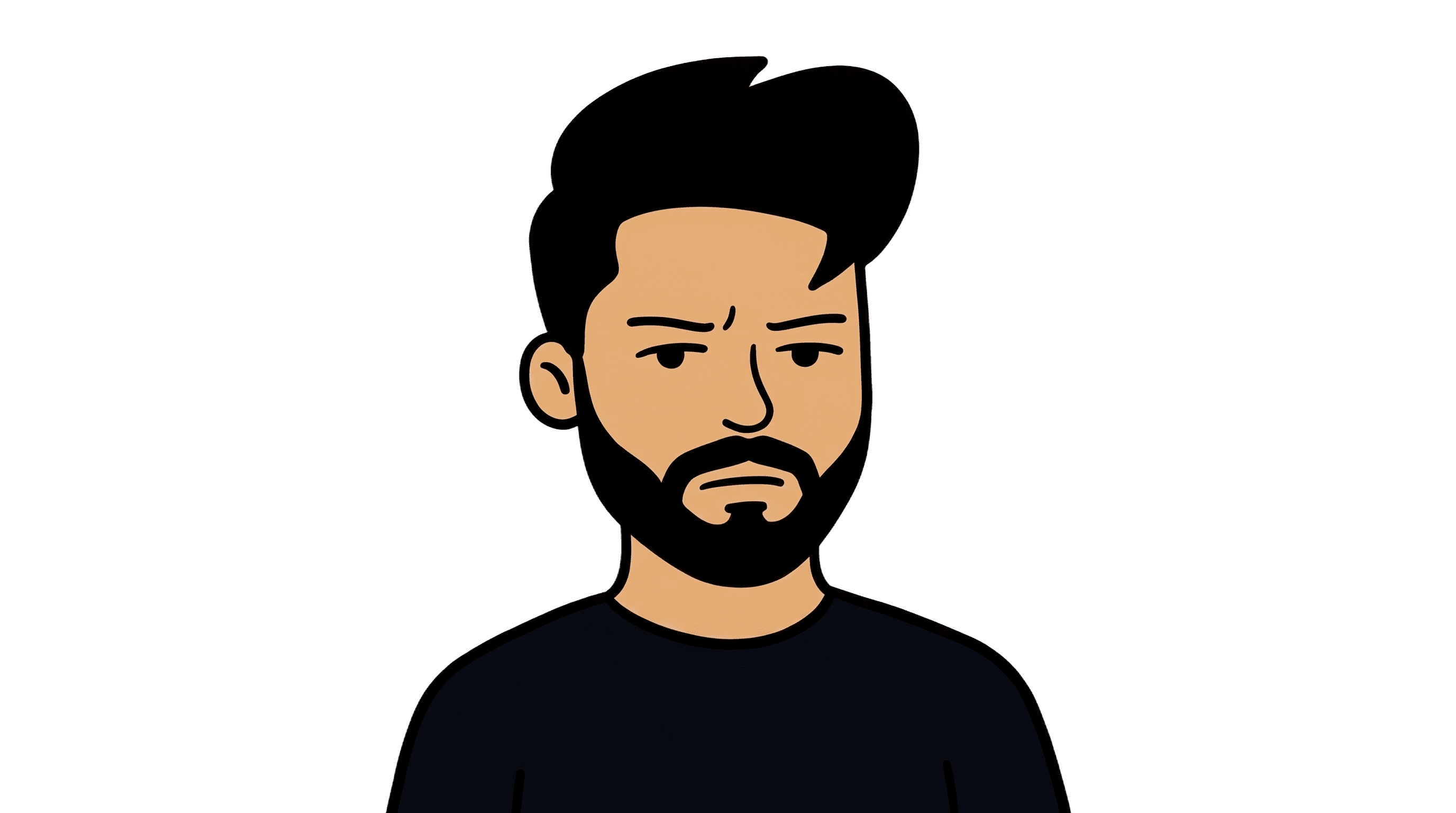
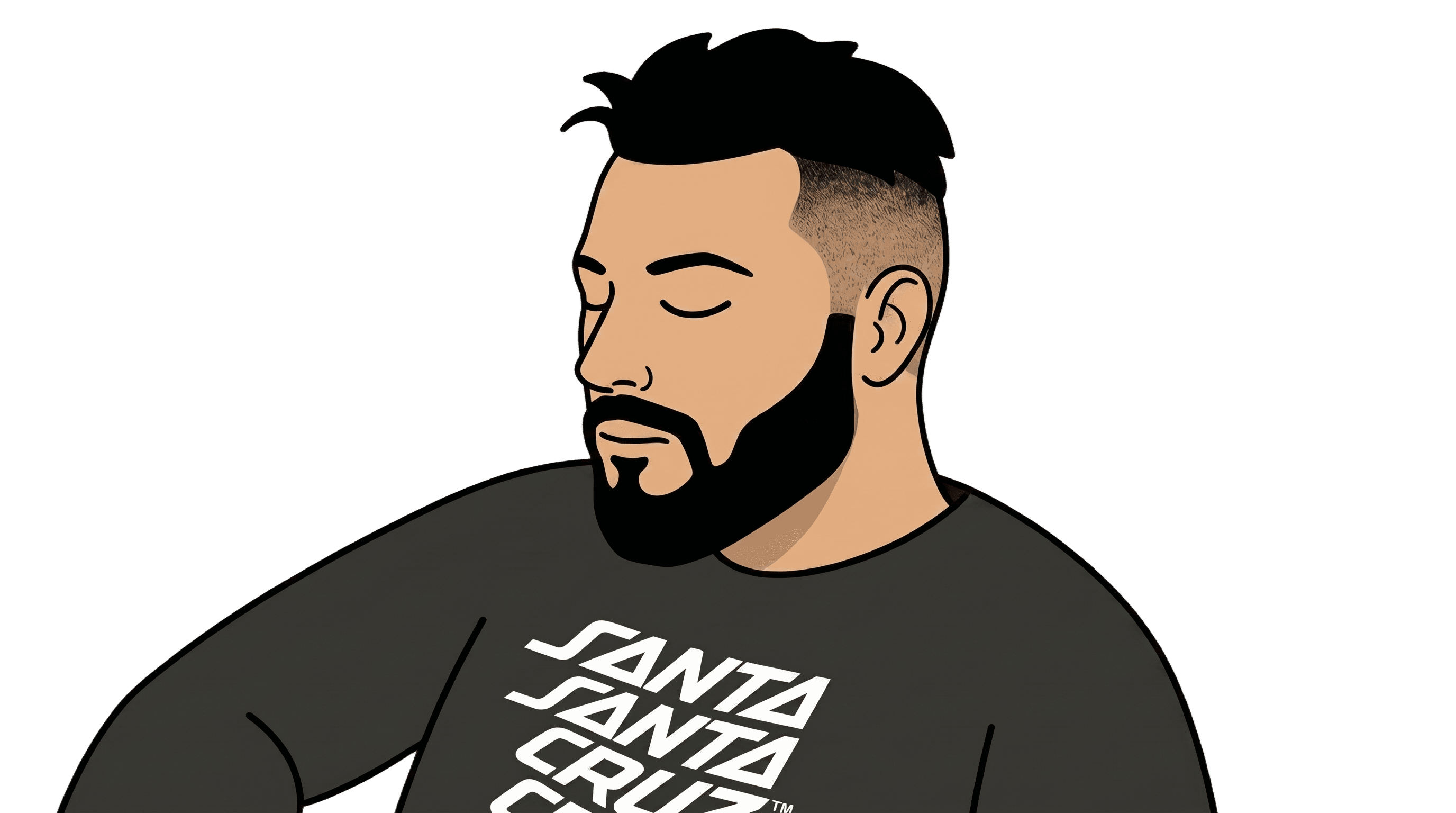
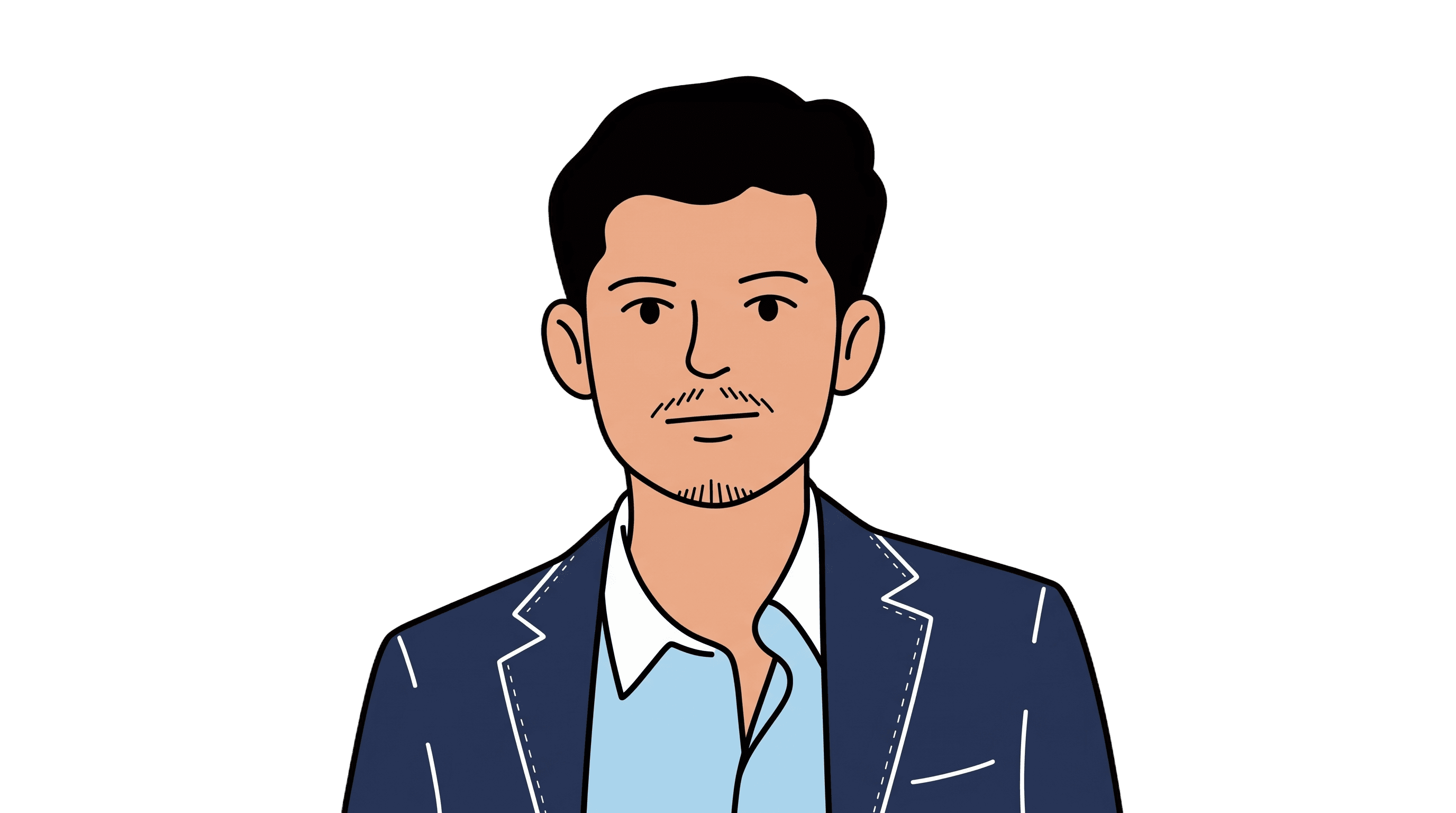
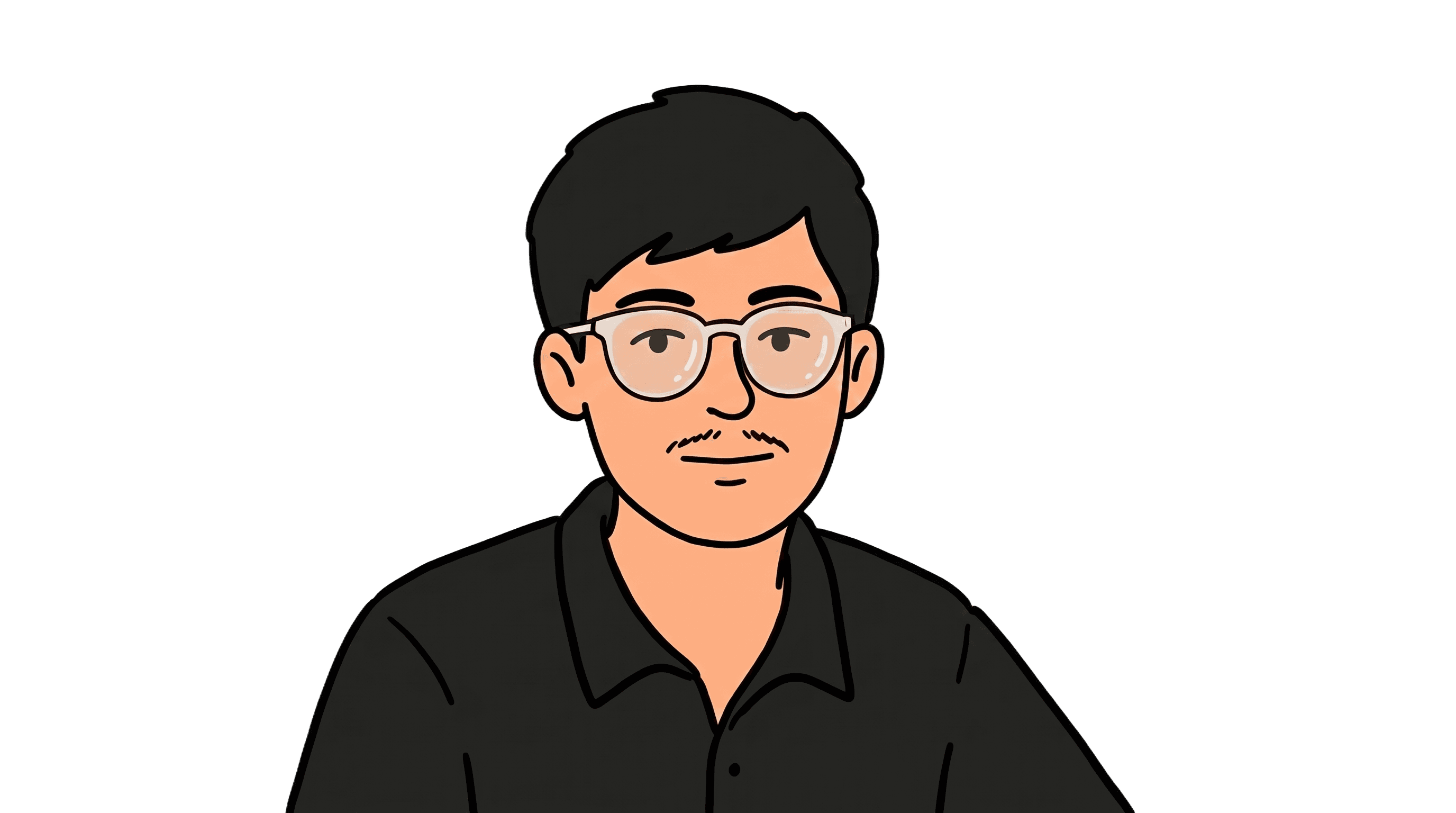
The people who built this.
Six operators and engineers behind Apogee — the people who got tired of waiting for someone else to build the fix, and built it.


How we got here.
Want to be on the next line of this timeline?
We're running a small number of pilots a quarter. Bring a lifecycle, bring an honest problem. We'll bring APO.